In Dibrugarh, a vibrant feminist library was launched in March 2023 as part of our campaign for the Free Library Movement. Named after the pioneering Assamese feminist Chandraprabha Saikiani, this space champions gender justice, queer visibility, community learning, and political awareness in Assam.
Our library is important as it serves as a stronghold of feminist and queer leadership in Upper Assam, fostering an ecosystem where political awareness and liberation emerge through everyday cultural engagement.
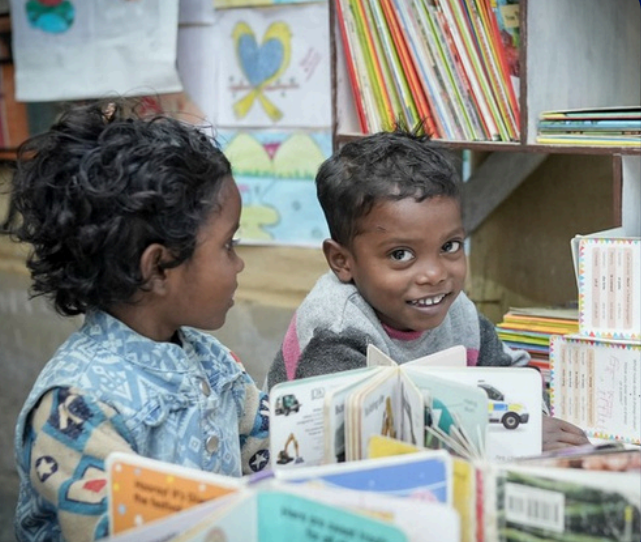
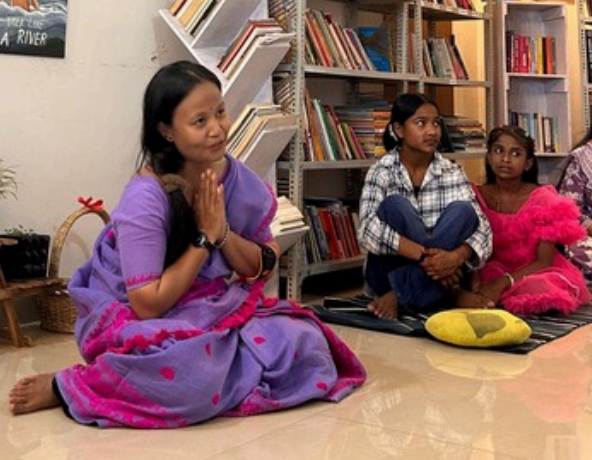
At the heart of our gender justice work, we reimagine every space as a feminist space—one that echoes feminist principles and values to create equal opportunities for all. As an organisation committed to building a strong, intersectional queer feminist movement, we have reimagined the free community library as a feminist space that welcomes everyone, fosters aspiration, and ensures equal access. By calling our library a feminist library, we envision it as a space of justice.
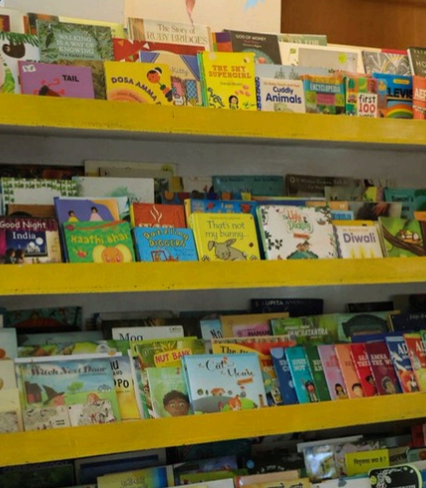
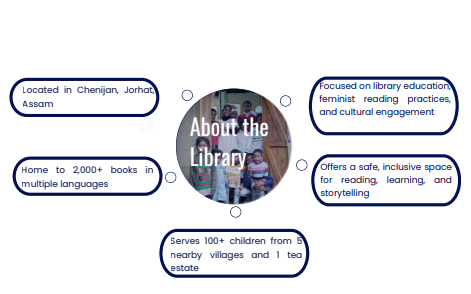
Our library offers a discrimination-free, inclusive environment open to all readers, serving local communities in Dibrugarh with a curated collection of 2,000+ books across languages and genres. Beyond books, the centre actively engages the LGBTQIA++ community through workshops, cultural programs, and participatory learning experiences.
At the Chandraprabha Saikiani Resource Centre, we organize a range of activities designed for all age groups:
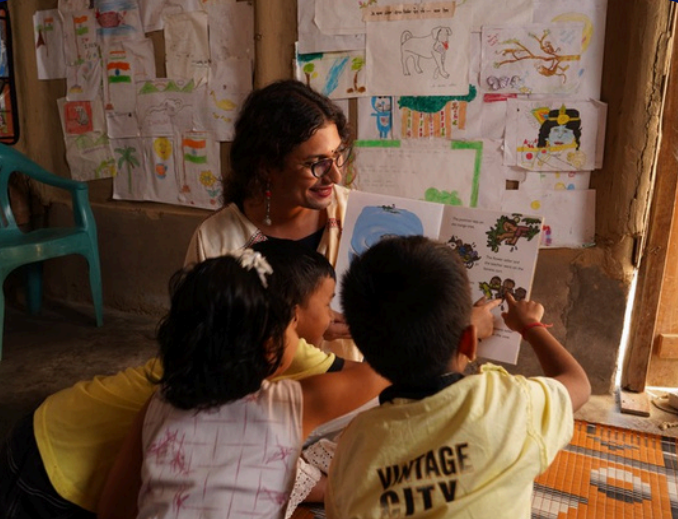
storytelling, drama, read aloud, book circulation, book browsing
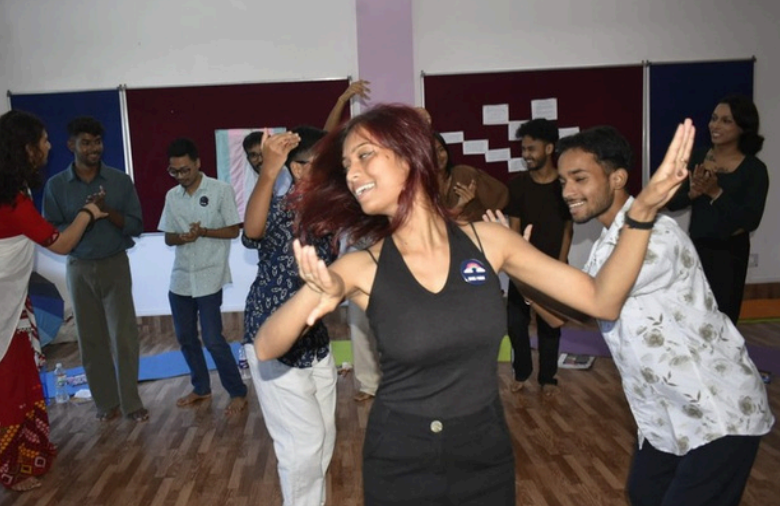
reading circle, book circulation, dance, music, open mic
Project Kitape Kotha Koi Community Library
Assam has a rich legacy of rural libraries, traditionally known as Gramya Puthibhoral, which have long served as powerful agents of social change. These village libraries once connected people through stories, knowledge, and critical thinking. At Akam Foundation, we are building on this legacy by creating free, inclusive community libraries that foster feminist values, empathy, and imagination.
We believe that libraries are more than just spaces with books—they are safe, democratic spaces that encourage communities to read, think, question, and grow together. As a trans-led feminist organisation, we see reading as a radical act of justice. Free community libraries ensure the Right to Read for all, especially for those in marginalised and rural communities in Assam.
During the COVID-19 lockdown in April 2020, we launched Project Kitape Katha Koi as an online storytelling platform to connect children and families through stories. While our initial plan to open a physical library had to be postponed, the dream lived on.
In August 2021, we opened the first physical community library under the project in Chenijan, Jorhat—marking the beginning of our on-ground free library work in Assam.
Our library is a proud member of the Free Libraries Network (FLN)—a collective of community libraries across India and South Asia committed to the free public library movement. Learn more about FLN → www.fln.org.in
As a core group member, Akam Foundation is working to revive Assam’s rural library tradition and push for a Free Public Library Policy in India, ensuring access to books as a fundamental right.
Bringing Books to Everyone, Fostering Futures Through Reading.
In the heart of Dibrugarh town, adjacent to Assam Medical College, Akam Foundation has established a community library that is transforming how children from marginalized communities experience books and stories.
This initiative currently serves over 120 children from a nearby basti—primarily from tea garden worker families—by creating a vibrant, inclusive space that nurtures early literacy, imagination, and joy in learning.
Through read-aloud sessions, storytelling circles, book circulation, and creative art activities, the library offers children consistent, hands-on engagement with books. Our team of facilitators builds deep relationships with young readers, many of whom are the first in their families to access reading spaces.
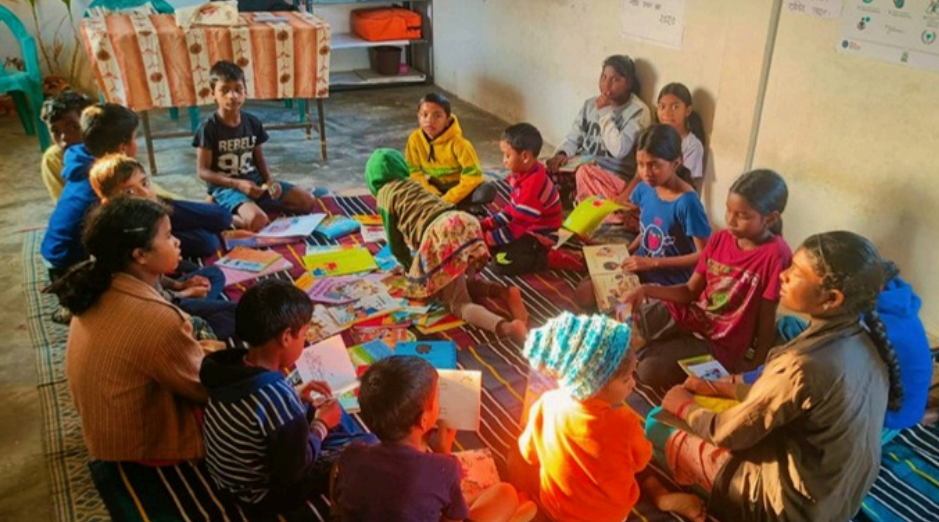
Children in this basti have little to no access to public libraries or creative learning spaces. By bringing books directly into their communities, we are seeing a visible shift in reading habits, curiosity, and confidence among children who are often excluded from formal literacy systems. This community library is more than just a place to read—it is a space of dignity, imagination, and belonging, helping build a generation of joyful and empowered readers.